Audience Growth
Why Has My Social Media Engagement Dropped?
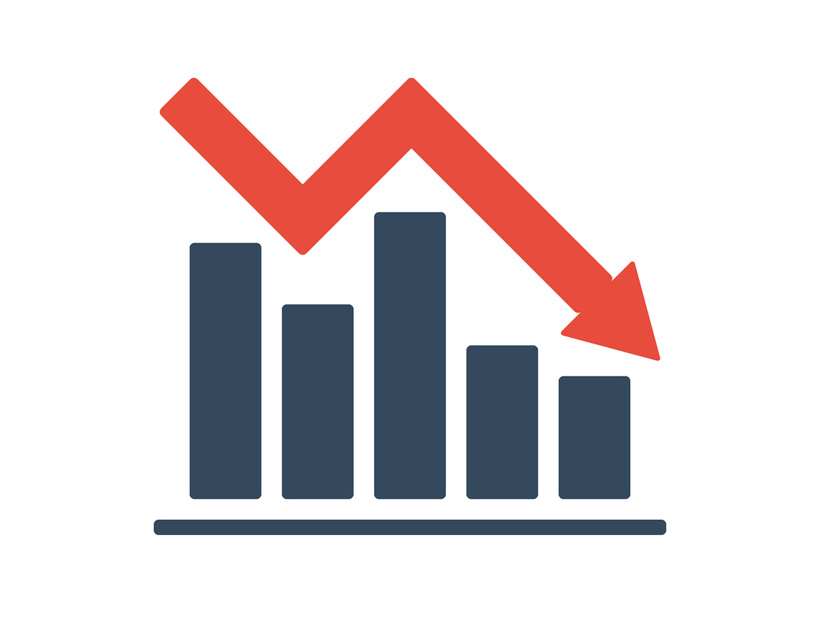
Few things frustrate business owners more than watching their social media engagement suddenly decline.
One month your posts are generating comments, likes and conversations.
The next month, engagement appears to have fallen off a cliff.
The immediate reaction is often panic. Many founders assume their content has become worse, that their audience has lost interest or that social media simply is not working anymore.
In reality, the explanation is usually far less dramatic.
Social media platforms are constantly evolving. Algorithms change. Audience behaviours shift. Content formats rise and fall in popularity. What performed brilliantly six months ago may not perform in exactly the same way today.
The good news is that a drop in engagement rarely means your social media strategy is broken. More often, it is a signal that the environment around your content has changed.
What Will You Learn In This Article?
This article covers:
- Why social media engagement drops
- How algorithms influence visibility
- The impact of content saturation
- Why follower counts matter less than ever
- The importance of audience participation
- How engagement habits affect reach
- How Social Hawk helps maintain performance
Why Has My Social Media Engagement Dropped?
Most social media engagement declines are caused by changes in platform algorithms, audience behaviour or content consumption patterns rather than a sudden drop in content quality.
Many businesses assume that engagement should remain consistent if they continue producing similar content.
Unfortunately, social media does not work that way.
Platforms continuously adjust how content is distributed. Audience expectations evolve. New content formats emerge. As a result, engagement naturally fluctuates over time.
The key is understanding why those changes are happening rather than immediately assuming your strategy has failed.
How Do Social Media Algorithms Affect Engagement?
Social media algorithms determine which content gets shown to users and how widely it is distributed.
Every major platform uses algorithms to decide what appears in a user’s feed.
These algorithms are constantly being refined.
The goal of every platform is simple. Keep users engaged for as long as possible.
To achieve this, platforms regularly prioritise different types of content. One year, short-form video may dominate. The next year, carousels or longer-form content may receive greater visibility.
This means that engagement changes are often the result of platform behaviour rather than audience dissatisfaction.
Understanding this distinction is incredibly important.
Why Do Content Trends Change So Quickly?
Content trends change because platforms are constantly trying to improve user experience and maintain audience attention.
When a particular content style becomes successful, creators naturally begin to copy it.
Eventually, feeds become saturated with similar content.
At that point, platforms often adjust their algorithms to encourage different behaviours and create more variety within the user experience.
This cycle happens repeatedly.
A content format gains popularity.
Creators adopt it.
Audiences become accustomed to it.
Platforms adapt.
The businesses that thrive are those that remain flexible and willing to experiment.
What Is Content Saturation?
Content saturation occurs when large numbers of creators begin producing similar styles of content, making it harder for individual posts to stand out.
This is becoming increasingly common across social media.
Consider how many businesses are now publishing:
- Motivational posts
- Generic business advice
- AI-generated content
- Similar carousel formats
- Recycled industry opinions
When audiences repeatedly encounter similar content, engagement naturally declines.
People become less likely to stop scrolling because nothing feels particularly new or different.
This is why originality and personality are becoming increasingly valuable.
Why Does Audience Behaviour Change Over Time?
Audience behaviour changes because the way people consume content is constantly evolving.
Social media users today behave differently from how they did five years ago.
In many cases, audiences are becoming more passive.
People still consume content, but they may be less likely to:
- Comment
- Share
- React publicly
This does not necessarily mean they are not paying attention.
Many users now engage through:
- Direct messages
- Private sharing
- Profile visits
- Website visits
Businesses often mistake reduced public engagement for reduced interest.
The two are not always the same thing.
Why Does My Follower Count No Longer Guarantee Reach?
Follower count has become a much weaker indicator of visibility because social platforms increasingly prioritise recommendation-based content.
Historically, social media worked differently.
You built an audience.
You published content.
Your followers saw it.
Today, most major platforms operate more like content recommendation engines.
TikTok popularised this approach, but LinkedIn, Instagram, Facebook and YouTube have all adopted similar models.
Platforms increasingly show users content from:
- Recommended accounts
- New creators
- Relevant industries
- Similar interests
This means that your audience is no longer limited to your followers.
It also means that followers alone do not guarantee visibility.
Content quality and engagement matter more than ever.
Why Is Reciprocity So Important?
Reciprocity is important because social media was designed as a two-way conversation rather than a broadcasting channel.
Many businesses approach social media as if it were traditional advertising.
They publish content and then leave.
The problem is that platforms reward participation.
When you actively engage with others, you send signals that you are contributing to the community.
This often leads to increased visibility.
The most successful social media users spend time:
- Replying to comments
- Engaging with followers
- Commenting on industry content
- Participating in conversations
This activity helps maintain relevance within the platform ecosystem.
What Happens If You Only Post Content?
Accounts that focus exclusively on publishing often experience declining visibility over time because they fail to contribute to the wider community.
Social media algorithms increasingly favour active participants.
If your activity consists solely of posting content without interacting elsewhere, the platform receives fewer signals about your engagement within the community.
This can affect reach.
Think of social media as a networking event.
Someone who speaks continuously without listening rarely builds strong relationships.
The same principle applies online.
How Can You Recover Lost Engagement?
Recovering engagement usually starts with understanding what has changed rather than immediately creating more content.
Review your recent activity.
Look for patterns.
Consider:
- Which formats are performing best?
- Which topics generate conversations?
- Which posts attract profile visits?
- Which content receives shares?
Often, small adjustments can produce significant improvements.
The goal is not to chase every trend.
The goal is to understand what your audience currently values.
Why Is Experimentation Important?
Experimentation helps identify what audiences and algorithms currently favour.
Many businesses continue publishing the same content for months without testing alternatives.
The strongest social media strategies regularly explore:
- New formats
- Different post lengths
- Alternative topics
- Video content
- Carousel content
Testing creates opportunities for discovery.
Without experimentation, businesses often miss shifts in audience preferences and platform behaviour.
How Does Social Hawk Help Maintain Engagement?
Social Hawk was built to help businesses adapt to changing social media environments without constantly monitoring every platform update.
The platform analyses:
- Industry trends
- Audience interests
- Competitor activity
- Content performance patterns
It then generates social media content designed to align with current engagement opportunities whilst remaining authentic to your brand voice.
This includes:
- Social posts
- Carousels
- Images
- Reel scripts
- Thought leadership content
Because Social Hawk integrates with Blog Beaver and Growth Gorilla, your social strategy remains connected to your wider content and authority-building activities.
What Should Businesses Focus On First?
Businesses should focus first on engagement rather than reach.
Reach is often the outcome.
Engagement is often the cause.
Ask yourself:
- Am I participating in conversations?
- Am I creating genuine value?
- Am I adapting to audience behaviour?
- Am I testing new approaches?
Those questions often reveal the real reasons behind declining performance.
Why Does A Drop In Engagement Not Mean Failure?
A drop in engagement does not mean your strategy has failed because social media platforms are constantly changing.
Algorithms evolve.
Audience behaviours shift.
New content formats emerge.
The businesses that continue growing are not necessarily producing better content than everyone else. They are simply adapting more effectively to changing conditions.
The most successful social media marketers understand that engagement is never static. It rises and falls over time.
What matters is your ability to understand why.
If you’re ready to create social media content designed for today’s algorithms and audience behaviours, explore Social Hawk and discover how a week’s worth of posts, carousels, images and reel scripts can be generated in a single click.
Simple pricing, serious output.